

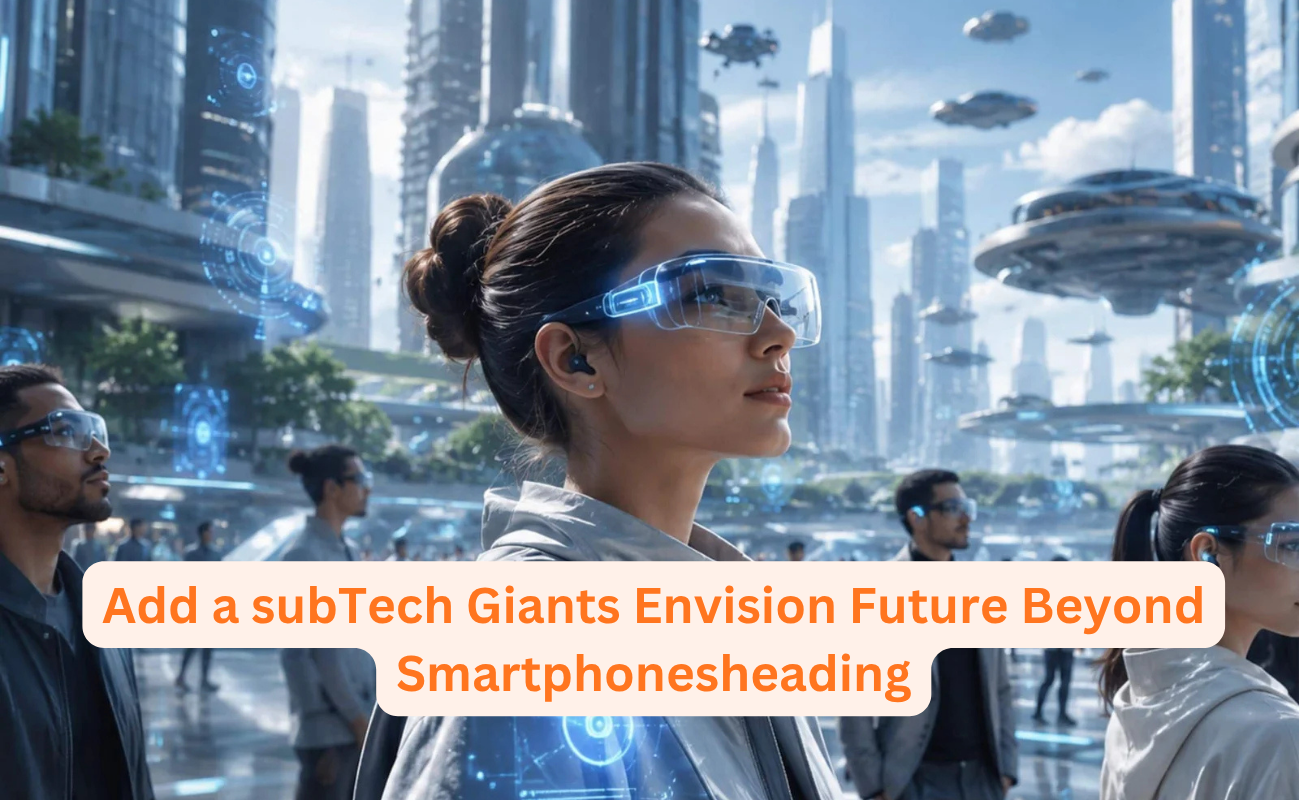
Smartphones ruled the world for over a decade, but the spark is gone. These days, it feels like we are just going through the motions. Every year, a new iPhone or Galaxy comes out with a slightly better camera and a faster chip, and most people just shrug. The big tech companies know this, and they are quietly building something completely different. They want technology to disappear into your life instead of sitting in your hand all day.
Why Phones Are Hitting a Wall
Everyone already has a smartphone. Seriously, almost every adult on the planet who wants one already owns one. That means the easy growth is over, and companies cannot just sell more phones to make more money. On top of that, people are keeping their devices for three or four years now because the old ones work fine. Battery life matters more than some fancy new feature you will use twice. Hardware innovation has slowed down, too — folding screens were cool for a minute, but they did not change how we actually live. People want things to feel faster and simpler, not more complicated. And AI is getting good enough that staring at a screen and tapping apps feels kind of old-fashioned now.
What Comes After the Phone?

Nobody is saying phones will vanish tomorrow. They will stick around for years, probably decades. But their role will shrink. Instead of one device doing everything, you will have a bunch of tools that handle different jobs without you thinking about it. Wearables on your body, smart stuff in your home, AI that just knows what you need, and displays that float in front of your eyes instead of sitting in your palm. The idea is that technology works in the background while you live your actual life.
The Tech That Will Replace Your Phone
AI Is the New Operating System
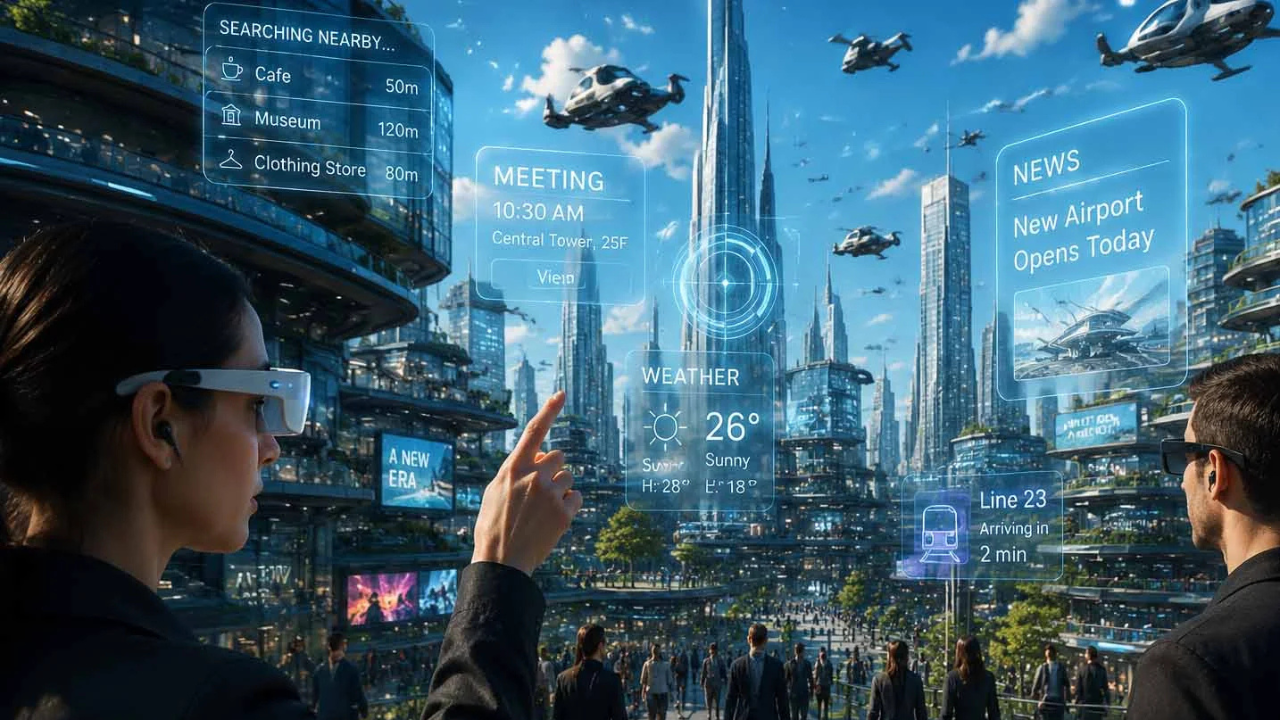
Artificial intelligence is becoming the brain behind everything. It learns how you behave, automates boring daily tasks, gives you suggestions before you ask, and works without you poking at a screen every two seconds. Future devices will not even have apps the way we know them now — you will just say what you want, and AI will make it happen. Context-aware AI is the big thing here. It knows you have a meeting in ten minutes, so it pulls up the directions, sends a message that you are running late, and adjusts your home thermostat before you walk out the door. You did not ask for any of that — it just happened.
Smart Glasses Are Actually Happening
Remember Google Glass? It flopped because it was ugly and creepy. But smart glasses are back, and this time they might actually work. They can show texts and notifications right in your line of sight, give you walking directions without looking down at a map, let you take calls hands-free, and respond to voice commands or simple hand gestures. Companies are shipping millions of units already, and the numbers keep climbing. The whole point is that computing moves to where you are actually looking instead of forcing you to pull a rectangle out of your pocket.
Wearables Are Getting Smarter
Your watch can already make calls, pay for coffee, and track your heart rate. That is just the beginning. Future wearables will monitor your health continuously, catch problems before you feel sick, give you AI-driven advice about sleep and exercise, and stay connected all the time without draining your battery in two hours. The goal is simple — you should not need to grab your phone for quick stuff anymore. A tap on your wrist or a word to your earpiece handles it.
Talking and Waving Beat Tapping
Typing on tiny glass keyboards was never natural, and companies have finally got that. Voice commands let you speak like a normal person, hand gestures control devices without touching anything, eye tracking knows what you are looking at, and motion sensing responds to how you move your body. These feel more human because they match how we actually interact with the world. Nobody waves their fingers around to open a door in real life — so why should technology work that way?
Brain Chips Are Coming (Eventually)
Brain-computer interfaces sound like science fiction, but they are real and getting better. The idea is connecting your brain directly to machines so you control things with your thoughts. It is mainly for medical stuff right now — helping paralysed people move again — but the long-term vision is wild. Imagine sending a text just by thinking about it. We are probably twenty years away from that being normal, but the tech giants are already investing heavily.
Read Also: Timing Advance Processor: Types & Selection Guide
How the Big Players Are Playing It
Apple is going all-in on spatial computing and AR devices, trying to make everything in their ecosystem talk to everything else. Google wants AI-first systems that predict what you need before you ask, with smart environments that respond to your presence. Meta is building virtual worlds for socialising and pushing AR glasses hard because they think the phone is a temporary stopgap. Microsoft focuses on cloud systems and AI productivity tools for getting work done without screens. Samsung keeps innovating on hardware — foldables, wearables, whatever fits on your body. None of them are betting on phones alone anymore.
Everything Connects to Everything
The future is not about one killer device. It is about a network where your glasses, watch, earpiece, home speakers, and car all share information constantly. You start a task with your voice, your glasses show the result, your watch tracks your stress level, and your house adjusts the temperature because it knows you are stressed. No single device is in charge — they all just handle their piece of the puzzle. That is the opposite of how phones work today, where one gadget tries to do everything literally and constantly demands your attention.
The Security Problem
More devices mean more ways for bad guys to get in. Every connected gadget is a potential door, and securing all of them is a nightmare. Strong authentication, device-level protection, and unified security standards are essential, but nobody has figured out how to do this perfectly yet. If the ecosystem is not secure, people will not trust it, and the whole vision falls apart.
People Are Already Changing
You might not notice it, but your behaviour is shifting. You check your screen less than you did five years ago. You talk to Alexa or Siri more. You wear something smart on your wrist. You let automation handle stuff you used to do manually. People want technology that feels invisible, not something that interrupts every moment of their day.
Phones Will Linger, But Their Time Is Fading
Smartphones are not disappearing next year. They will become control hubs that manage other devices, backup options when wearables fail, and safety nets while the new stuff matures. But their dominance is ending. In ten years, pulling out a phone to check a message will feel as dated as flipping open a flip phone does now.
Real Life Examples
Communication becomes voice messages and real-time translation through your earpiece. Work happens in AR meetings where everyone feels present without travel. Health monitoring catches issues before your doctor does. Navigation overlays directions on the road in front of you. Entertainment pulls you into stories instead of just showing them on a flat screen. These are not future dreams; early versions exist today.
Why This Actually Matters
Faster interaction because you are not unlocking and scrolling. Less screen time, which your eyes and brain will thank you for. Better integration because technology finally fits into life instead of interrupting it. More productivity from automation handling the boring stuff. Personalised experiences that actually match you instead of generic apps designed for everyone. That is why companies are spending billions to make this happen.
What Still Sucks
Batteries in small devices die too fast. These gadgets cost way too much right now. Privacy gets scarier as more devices collect data. People are comfortable with phones and resist change. Rural areas lack the infrastructure for connected ecosystems. These problems will not stop the shift, but they will slow it down.
Industries Getting Shaken Up
Consumer electronics moves from selling phones to selling ecosystems. Healthcare explodes with constant body monitoring. Education adopts immersive tools that make learning stick. Workplace tools become collaborative and device-agnostic. Communication evolves past text and video into spatial experiences. Early movers win big; latecomers become irrelevant.
Final Word
The phone in your pocket is not going anywhere soon, but its best days are behind it. Tech giants are building a world where technology wraps around you instead of sitting in your hand, and while the full transition will take years, the direction is set. AI, wearables, smart glasses, and connected homes are not marketing fluff — they are the actual future of how we interact with the digital world. The companies that nail this will define the next decade. The rest of us will slowly get used to a life where pulling out a phone feels weirdly outdated.
Read More: Interior Department RBFF Grant Cancellation: What Really Happened and What Comes Next
