

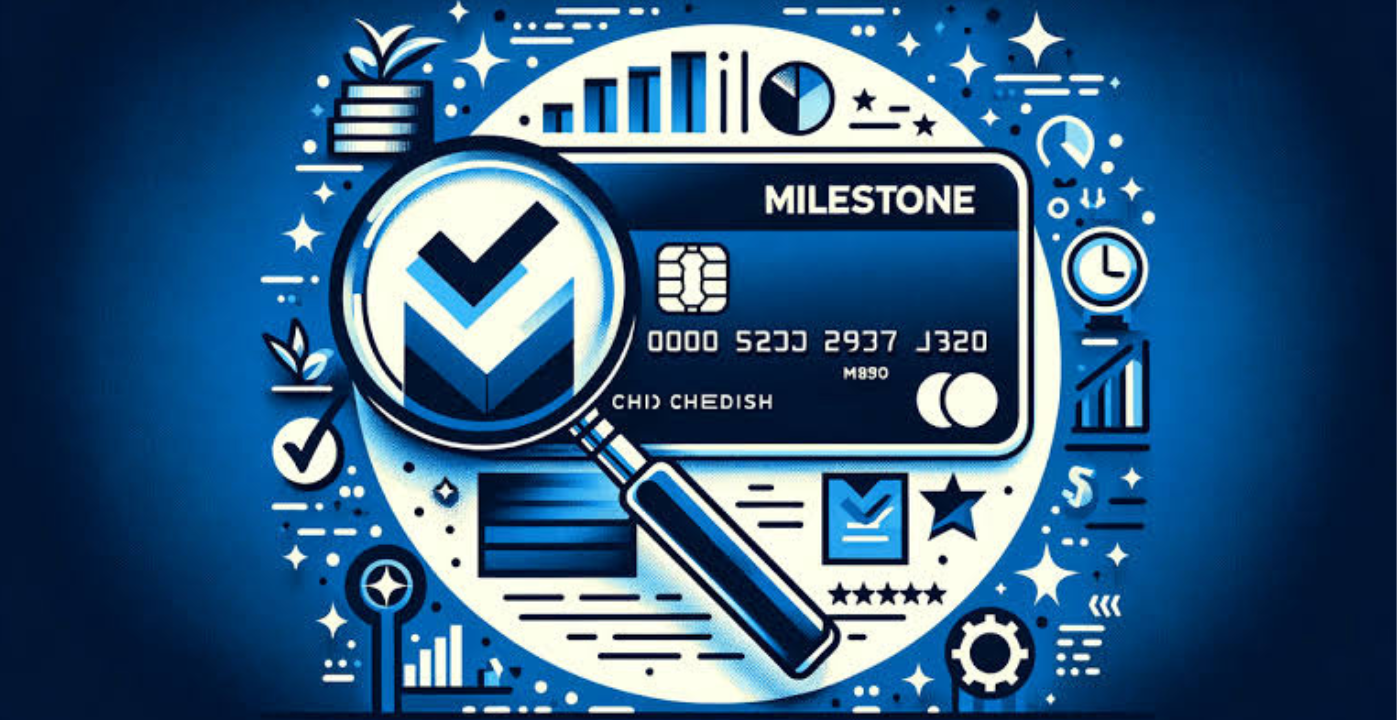
You’ve likely seen how difficult it is to get into a card that doesn’t require an initial deposit when you have had trouble getting credit in the past. That’s where Milestone comes in. It is an unsecured Mastercard designed for people who have less than stellar or low credit history, which is issued by The Bank of Missouri and handled by Concora Credit. Still, before you sign up, it’s important to realize exactly what you’re getting into since there are trade-offs involved with this card.
What is the Milestone Card?
As an unsecured card, the Milestone card doesn’t ask for your cash as security as is done with secured cards. This means that you do not need to pay any deposit in order to have your credit line approved.
That is a valuable benefit to many who are trying to restore their credit, you don’t have to put down hundreds of dollars to be approved. The drawback, however, is that bad credit cards are more expensive in terms of fees, and Milestone is no exception.
Fees and Interest Rates

This is the aspect of the card that is most criticized. The annual fees for new cardholders are usually about $175 during the first year, but they can be reduced to approximately $49 in the following years. Plus, there’s also usually a monthly fee for maintenance, which initially is free, but is about $12.50 per month after the first year. APR is high at 35.9%, which means it costs you a lot of money to have a balance.
They also have high fees and there are no balance transfers available with the card, which will make it less useful if you’re looking to pay off other debt. The upside: Only 1% foreign transaction fee for purchases, which is cheaper than some rival cards.
Credit Limit and Credit Reporting
The amount that credit card companies start with is different for everyone, but most people’s initial amount is between $700 and $1,000. But Credit Karma data suggests that the average person has a limit of about $850. The true card benefit is that it reports your account activity to all three major credit bureaus, Experian, Equifax and TransUnion, monthly. The key to improving your score is consistent reporting, as long as you keep your balances low and pay on time.
Read Also: How to Fix Pixelated Video: Simple Guide, No Tech Skills Needed
How to Apply for the Milestone Card
The application procedure is simple. You will complete an online application that will request basic personal and financial information, and Milestone will conduct a credit report to decide whether or not to approve you and how much to start you off with. Your approval should be quick, and if it is, your card should be sent to you by mail in about one to two weeks.

From there, it’s a good idea to set up Auto Pay, because if you don’t pay on an unsecured credit card, you could be in worse shape than if you didn’t pay on a secured credit card, since there’s no deposit to buffer the blow.
Milestone Card vs. Alternatives
Before making the decision to go for a Milestone card, it is best to compare them with other cards that are designed for the same use. Secured cards, for example, will generally have lower fees and lower APRs but will need a deposit at the beginning.
There are other credit-builder cards available that may have lower annual fees or additional benefits, such as credit monitoring. However, if you’re able to make a deposit, a secured card could cost you less over the long haul. Unfortunately, if you cannot make a deposit now, Milestone is among the more viable unsecured choices that you will have.
Is the Milestone Card Right for You?
The Milestone card is more of a short-term solution than a long-term wallet option. It provides a viable way to improve your credit rating if you have poor or minimal credit and are unable to make a deposit, provided you are disciplined in paying your credit card bill in full and on schedule.

If you’re not paying off your balance or allow the maintenance fees to go unexplained, these charges can quickly add up and make this card the wrong choice compared to the other credit products you may qualify for in the future.
FAQs
1.Is Milestone card a good card for bad credit?
It can be a sensible starting point as the odds of being accepted are greater than for many traditional cards, but if not used carefully or paid off monthly, the fees are high.
2.Does the Milestone card require a security deposit?
No, it is not a secured card, which means that the credit line depends on your creditworthiness not on cash.
3.What is the annual fee for a Milestone card?
First year is about $175, and then about $49 in later years.
4.Does the Milestone card help build credit?
Yes, it does report your account activity to all 3 credit bureaus on a monthly basis, and can be beneficial to your score if you use the account responsibly.
5.What is the credit limit on the Milestone card?
Typically, new cards will have a limit of $700 to $1,000, but this amount is dependent on the individual’s credit profile.
Read More: HRMS Bihar: A Complete Guide to Login, Salary Slip & eService Book
