

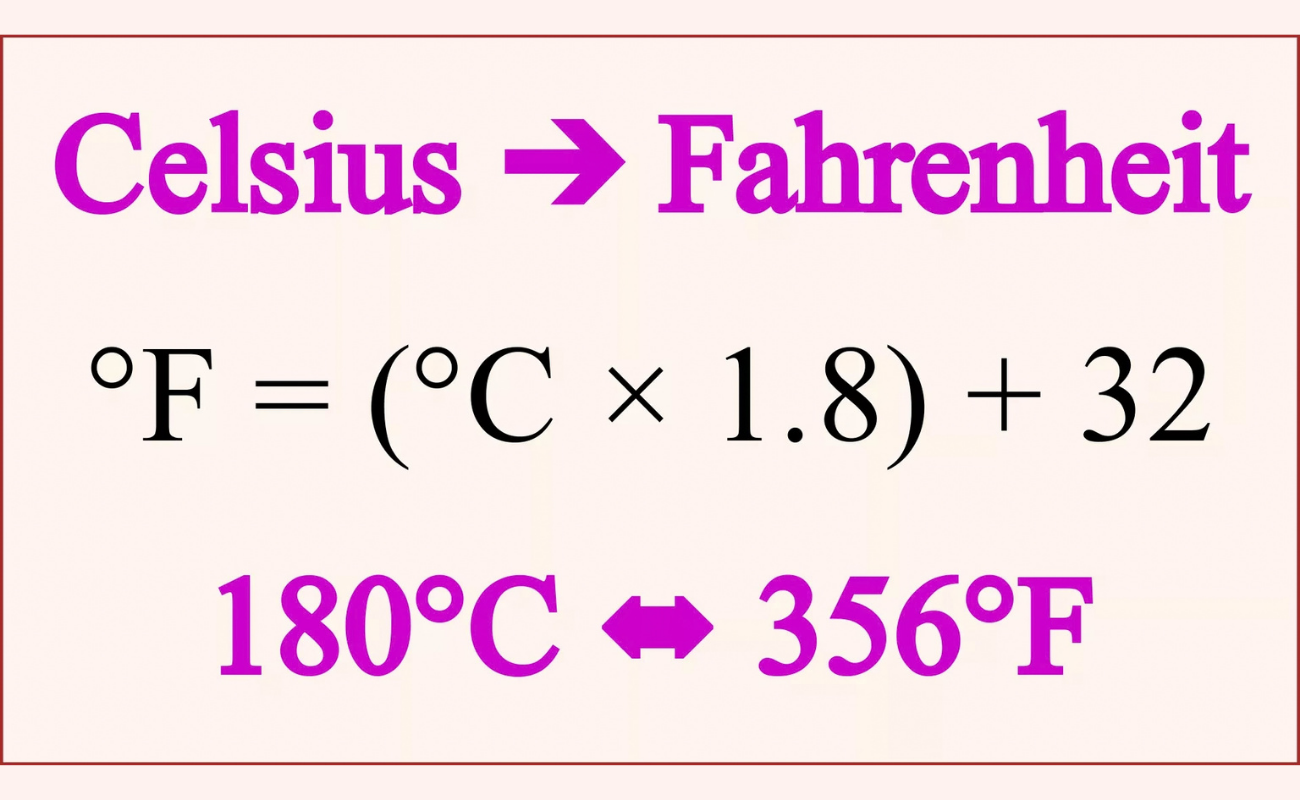
If you have ever tried a recipe from another country, you have probably run into this exact problem. The instructions say to preheat the oven to 180°C, but your oven shows Fahrenheit, and now you are standing there wondering what number to dial in.
Sound familiar? You are in the right place. In this guide, you will get the exact 180 Celsius to Fahrenheit conversion, learn the simple formula behind it, and understand why 180°C shows up in almost every baking recipe on the planet. Everything explained in plain, easy language.
180 Celsius to Fahrenheit: The Quick Answer
Let’s get straight to the point, because sometimes you just need the number.
180 degrees Celsius equals 356 degrees Fahrenheit.
That is the exact, no-rounding-needed answer. So if your recipe calls for an oven at 180°C, set your Fahrenheit oven to 356°F and you are good to go.
The Conversion Formula (Simpler Than It Looks)
Now, how did we get that number? There is a formula for converting Celsius to Fahrenheit, and honestly, it looks scarier than it actually is. Here it is:
Fahrenheit = (Celsius × 9/5) + 32
Let’s break that down using our number, step by step, so you can do this yourself for any temperature.
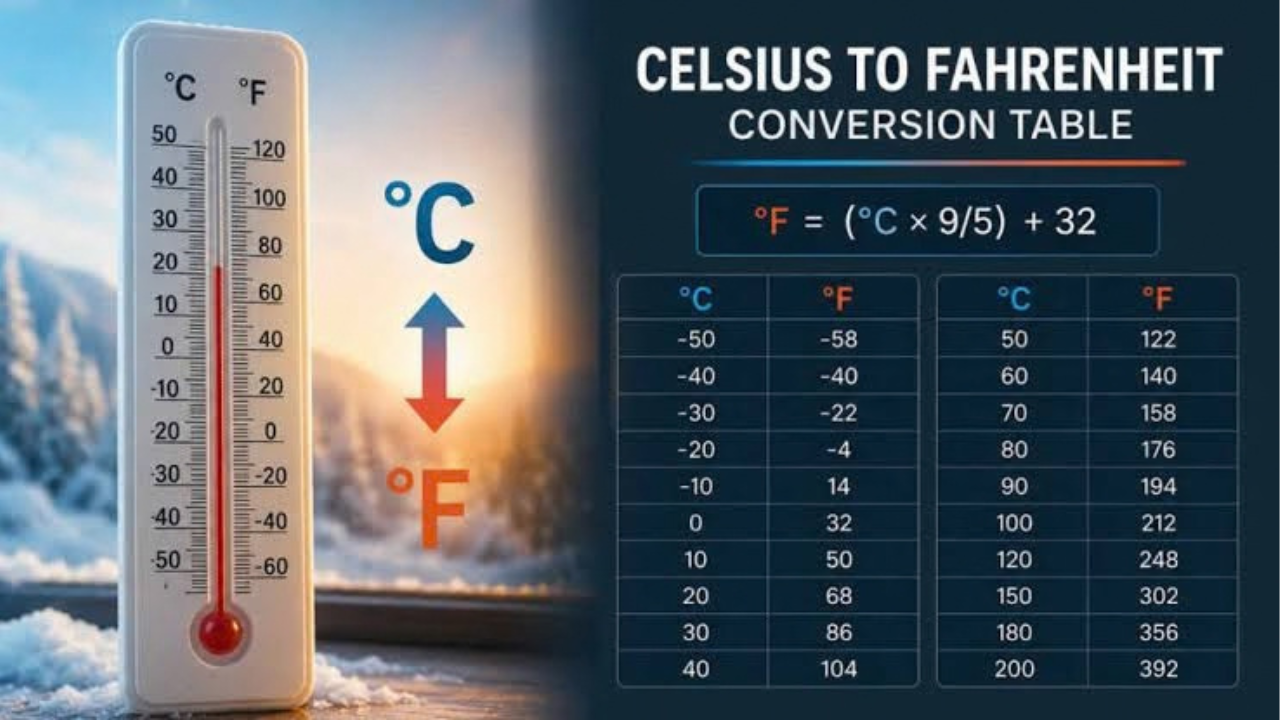
Step 1: Multiply by 9. Take your Celsius temperature, which is 180, and multiply it by 9. That gives you 1,620.
Step 2: Divide by 5. Now divide 1,620 by 5. That gives you 324.
Step 3: Add 32. Finally, add 32 to 324, and you get 356.
So, 180°C = 356°F. See? Three small steps and the formula is no longer a mystery. Once you have done this two or three times, you will be converting temperatures in your head.
Read Also: KLI Recruitment: Complete Guide to Becoming a Kotak Life Insurance Advisor
Why 180°C Is Such a Big Deal in Cooking
Here is something interesting. If you browse through baking recipes from Europe, Australia, or the UK, you will notice that 180°C appears everywhere. Cakes, cookies, muffins, roasted vegetables- you name it. There is a reason for that.
180°C is considered the gold standard moderate oven temperature. It is hot enough to cook food through and give it a golden brown finish, but gentle enough that things do not burn before the inside is done. Think of it as the sweet spot of the baking world.
That is exactly why the 180 Celsius to Fahrenheit conversion gets searched so often. Millions of people with Fahrenheit ovens want to bake a recipe written in Celsius, and 180°C is the number they keep running into.
Quick Conversion Table for Common Oven Temperatures
To save you from doing the math every time, here is a handy table with the most common oven conversions. Bookmark this one for your kitchen.
| Celsius | Fahrenheit | Oven Type |
| 140°C | 284°F | Slow oven |
| 150°C | 302°F | Slow oven |
| 160°C | 320°F | Moderate oven |
| 170°C | 338°F | Moderate oven |
| 180°C | 356°F | Moderate oven |
| 190°C | 374°F | Moderately hot |
| 200°C | 392°F | Hot oven |
| 220°C | 428°F | Very hot oven |
| 230°C | 446°F | Very hot oven |
Notice how 180°C sits right in the middle of the pack? That is no accident. It is the most balanced baking temperature there is.
Fun Facts About 180 Degrees
Temperature conversions do not have to be boring. Here are a few fun things worth knowing:
180°C is not just for ovens. Some industrial processes, like sterilizing equipment or certain chemical reactions, run right around this temperature too.
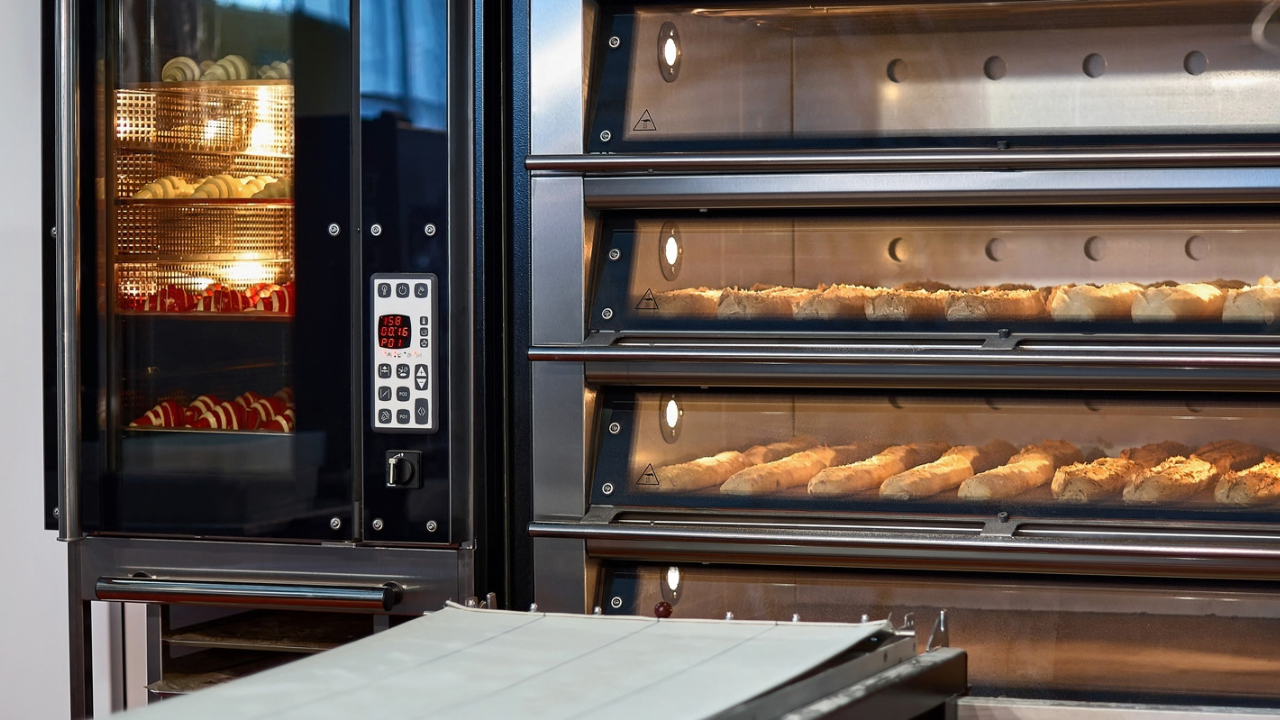
The Celsius scale was designed around water. It sets 0° as water’s freezing point and 100° as its boiling point, which makes it wonderfully logical for science.
Fahrenheit came first. Daniel Gabriel Fahrenheit created his scale in 1724, roughly 18 years before Anders Celsius introduced his in 1742.
Most of the world uses Celsius. Only a handful of countries, including the United States, the Bahamas, and Belize, still rely on Fahrenheit for everyday temperatures.
When Would You Actually Need This Conversion?
You might be surprised how often this little calculation pops up in real life. Here are the most common situations:
- Baking international recipes. This is the number one reason. European and Australian recipes almost always use Celsius.
- Buying imported appliances. Some ovens and kitchen gadgets from abroad display Celsius only.
- Traveling abroad. If you are visiting Europe and the weather report says 18°C, knowing how to convert helps you pack right.
- Science class. Students constantly convert between these two scales in physics and chemistry homework.
- Industrial work. Engineers and technicians deal with Celsius to Fahrenheit conversions in manufacturing and quality control all the time.
Common Mistakes People Make When Converting
A quick heads up on the traps people fall into, so you can avoid them:
- Forgetting to add 32. Many people multiply and divide correctly but stop there. The +32 step matters.
- Without it, 180°C would wrongly come out as 324°F.
- Doing the formula backwards. The Fahrenheit formula and the Celsius formula look similar, and mixing them up gives wild answers. For Celsius to Fahrenheit, always multiply first, then add.
- Rounding too early. If you round numbers in the middle of the calculation, your final answer drifts off. Do the full math first, then round if needed.
Final Word
180 Celsius to Fahrenheit equals exactly 356°F, and now you know both the answer and the simple formula behind it. Multiply by 9, divide by 5, add 32. Three steps, and no oven temperature will ever confuse you again.
Next time a recipe tells you to preheat to 180°C, you will smile, dial in 356°F, and get on with the fun part, which is the baking itself. Happy cooking!
Read More: Fino Login: How to Access Your Fino Net Banking Account Securely
